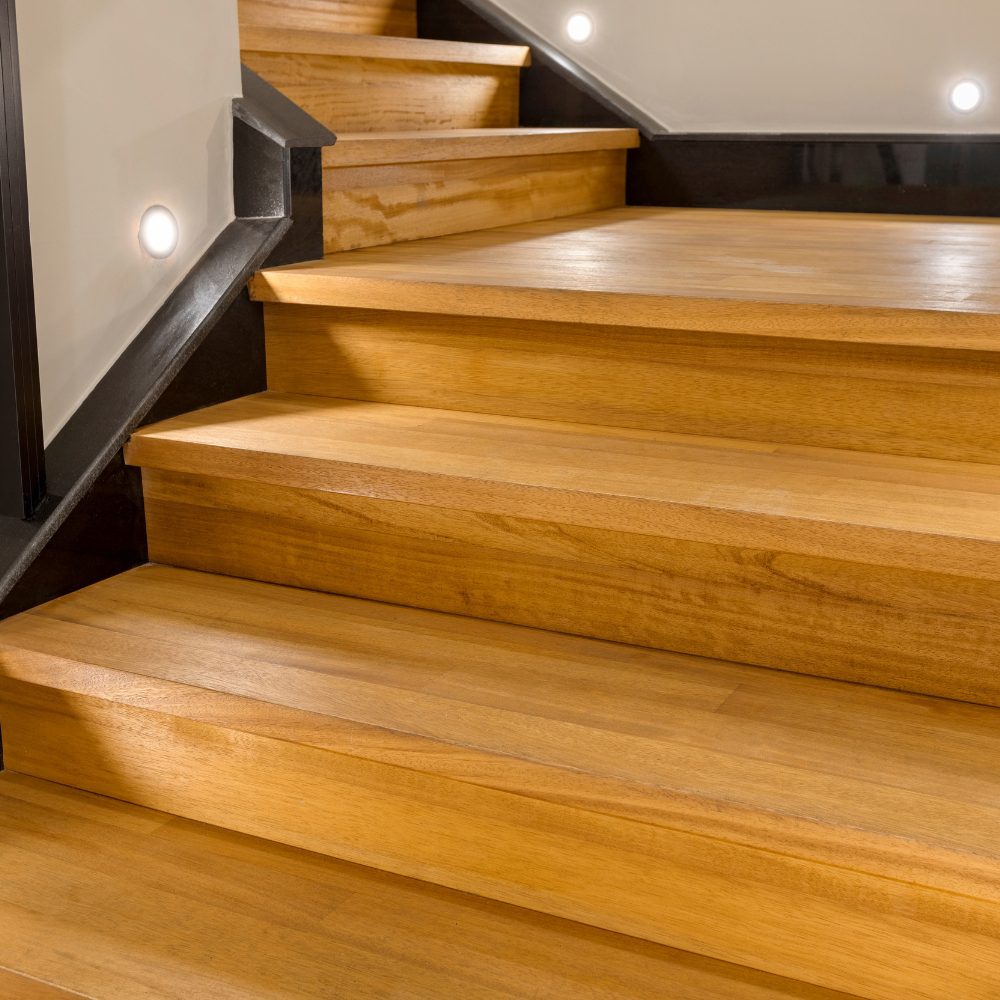
Slippery staircases are a major safety hazard, particularly in Queensland's subtropical climate where rain, humidity and morning dew affect external surfaces. Understanding slip resistance guidelines is essential for anyone building or maintaining staircases in Brisbane, Moreton Bay and the Sunshine Coast.
Why Slip Resistance Matters
Falls on staircases are among the leading causes of injury in Australian homes. Slippery treads, particularly on external stairs exposed to rain and moisture, significantly increase the risk. Proper slip resistance is both a safety imperative and a building code requirement.
Australian Standards
Slip resistance for floor surfaces, including stair treads, is governed by:
- AS 4586 — Slip Resistance Classification of New Pedestrian Surface Materials — defines testing methods and classification ratings
- AS 4663 — Slip Resistance Measurement of Existing Pedestrian Surfaces — for assessing installed surfaces
- NCC (BCA) — References AS 4586 for slip resistance requirements in the Building Code
Classification Ratings
AS 4586 provides two classification systems:
Ramp Test (R Rating)
- R9 — Dry internal areas only
- R10 — Minimum for external stairs and wet areas
- R11 — Recommended for exposed external stairs
- R12–R13 — High-risk wet areas (commercial kitchens, pool surrounds)
Pendulum Test (P Rating)
- P1–P2 — Low to moderate slip resistance (dry internal use)
- P3 — Moderate slip resistance (general internal use, recommended for residential stairs)
- P4–P5 — High slip resistance (wet areas, external use)
Stair Nosings
Stair nosings are the leading edge of each tread — the most critical area for slip resistance. The BCA requires:
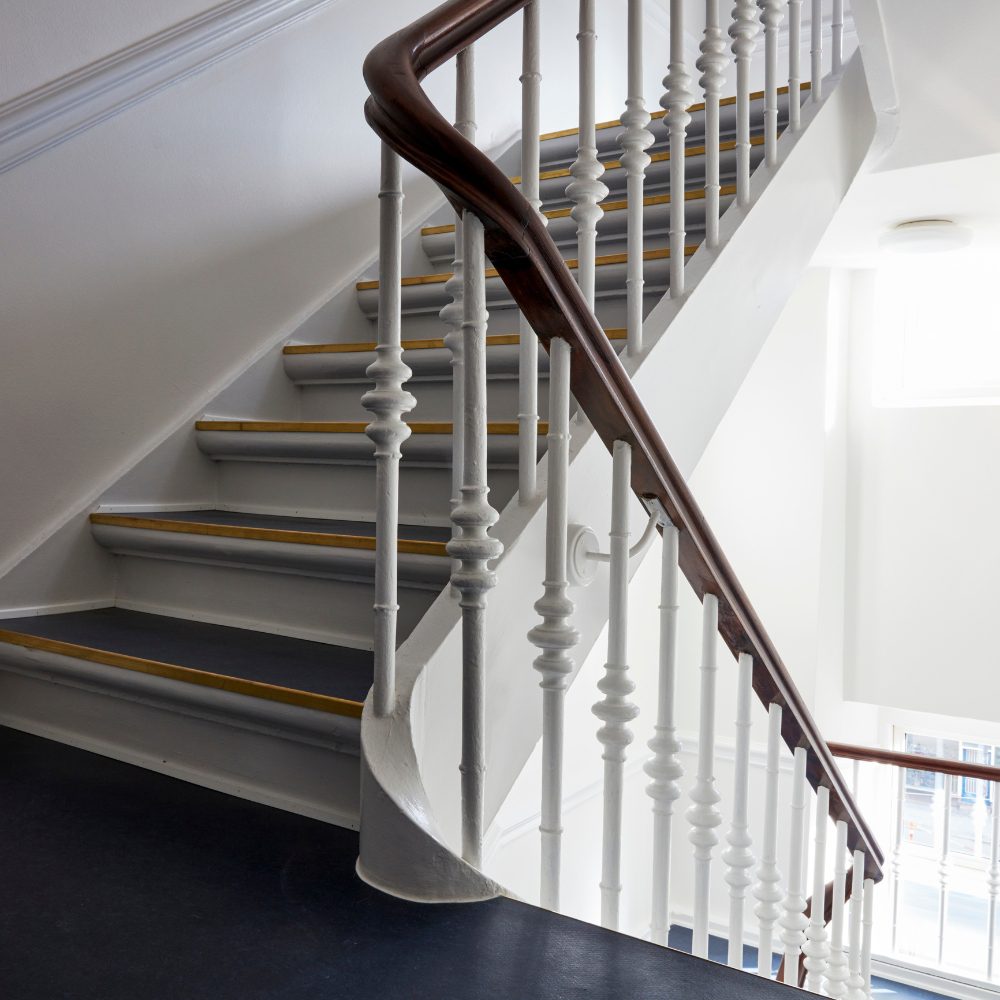
- Luminance contrast — Nosings in commercial buildings must have a strip with at least 30% luminance contrast to the tread surface, making each step edge clearly visible
- Slip-resistant nosing strips — Aluminium, carborundum or rubber nosing strips provide reliable grip at the tread edge
- Nosing profile — Rounded nosings (radius 5mm–10mm) are safer than sharp edges as they reduce the chance of tripping
Treatments & Surfaces
Several treatments improve slip resistance on stair treads:
- Anti-slip aluminium strips — Fixed to the tread nosing, these provide excellent grip and are highly durable
- Carborundum coatings — Grit-infused coatings applied to the tread surface or nosing area
- Routed grip grooves — Channels cut into the timber tread surface to improve traction in wet conditions
- Matte or satin finishes — Matte polyurethane or oil finishes provide better grip than high-gloss coatings
- Anti-slip tape — Self-adhesive strips for a quick, affordable improvement to existing stairs
External Stair Requirements
External timber stairs in Queensland face particular slip resistance challenges:
- Rain, dew and algae growth create slippery conditions on untreated timber
- Hardwood species with natural oils (like Tallowwood) offer better natural grip than smooth-finished timbers
- Regular cleaning to remove algae and mould maintains slip resistance
- Drainage — treads should be slightly sloped (1:100) to shed water and prevent pooling
- Adequate lighting helps users see wet conditions and navigate safely
Craftsman Stairs incorporates appropriate slip resistance measures into every staircase we build. Contact us for expert advice on your Brisbane, Moreton Bay or Sunshine Coast project.
Frequently Asked Questions
What slip resistance rating do stairs need in QLD?
External stairs and stairs in wet areas require a minimum slip resistance classification of R10 under AS 4586. Internal residential stairs in dry conditions have no mandatory classification, but a P3 (pendulum test) rating is recommended for safety.
Are stair nosings mandatory in Queensland?
The BCA requires stair nosings to have a slip-resistant strip with a luminance contrast of at least 30% compared to the tread surface on staircases in commercial buildings and common areas. For residential staircases, nosing strips are recommended but not always mandatory.
What is the best anti-slip treatment for timber stairs?
For internal timber stairs, a satin or matte polyurethane finish provides good slip resistance. For external timber stairs, anti-slip aluminium nosing strips, carborundum-infused coatings or routed grip grooves in the tread surface are the most effective options.
Craftsman Stairs
QBCC licensed staircase builders with over 35 years of experience servicing North Brisbane, Moreton Bay and the Sunshine Coast. We design, manufacture and install custom staircases for residential and commercial projects.
Get a Free Quote