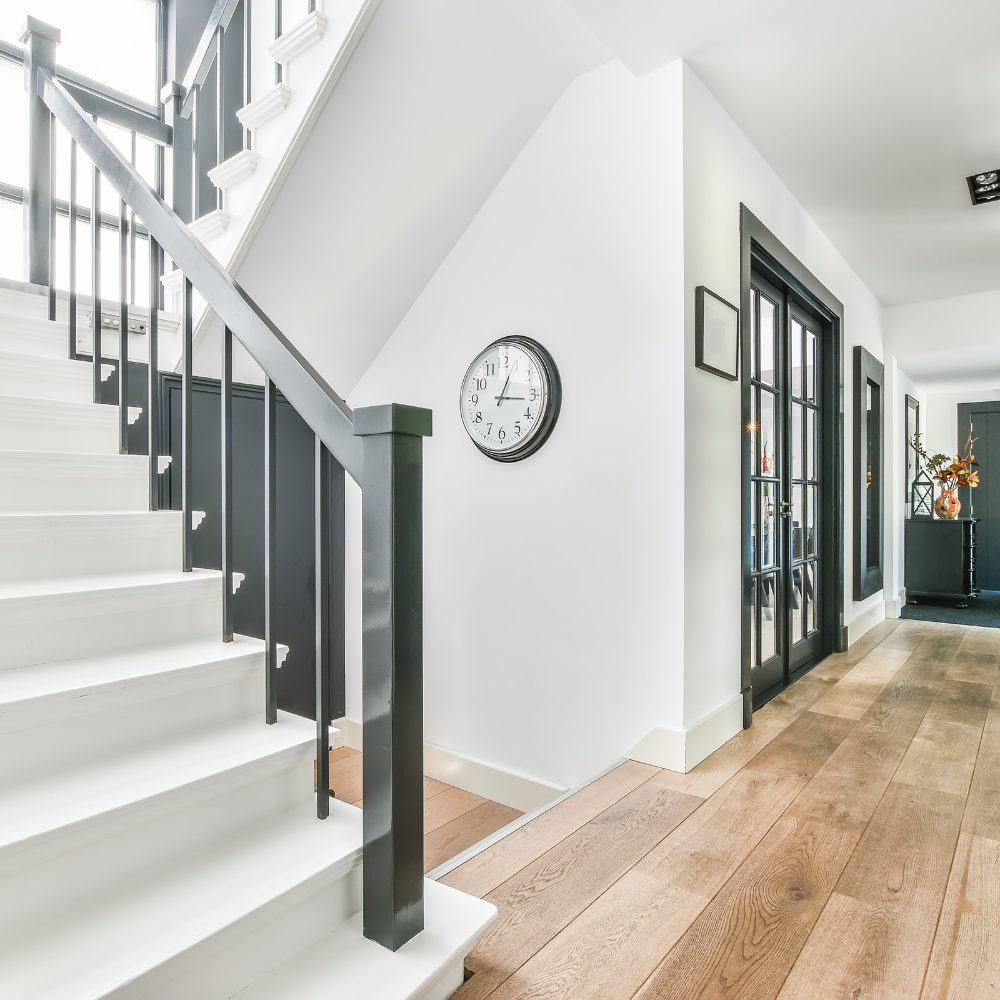
Choosing the right staircase for your home is one of the most impactful decisions in any renovation or new build. The staircase you select affects your home's visual character, functionality, safety and value. This guide walks you through every consideration for choosing a staircase in Brisbane, Moreton Bay and the Sunshine Coast.
Assess Your Space
Before selecting a staircase design, you need to understand your spatial constraints:
- Floor-to-floor height — Measure the vertical distance between finished floor levels (typically 2,400mm to 3,000mm in Brisbane homes)
- Available floor area — The footprint you can dedicate to the staircase opening
- Ceiling position — Ensure adequate headroom clearance (minimum 2,000mm)
- Structural walls — Identify load-bearing walls that could support the staircase structure
Choose a Style
Your staircase style should complement your home's architecture. Explore all staircase types to find the right match:
- Straight — Simple, cost-effective and versatile
- L-shaped — Space-efficient with a 90-degree turn
- U-shaped — Compact with a 180-degree turn
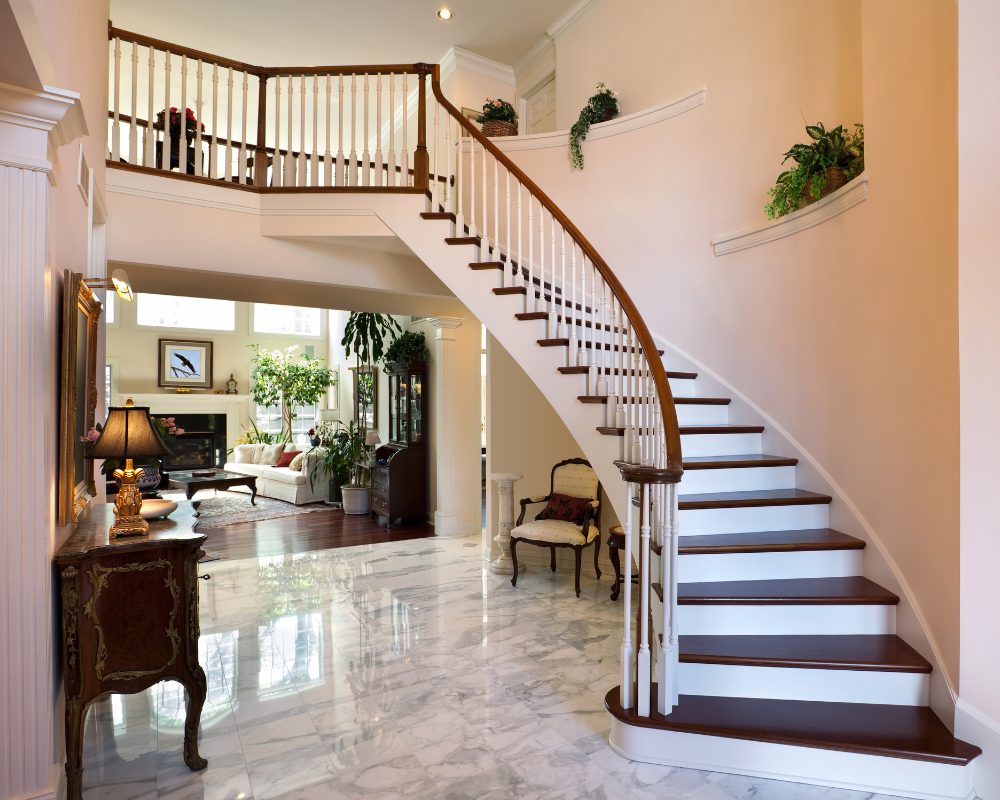
- Curved — Grand and dramatic
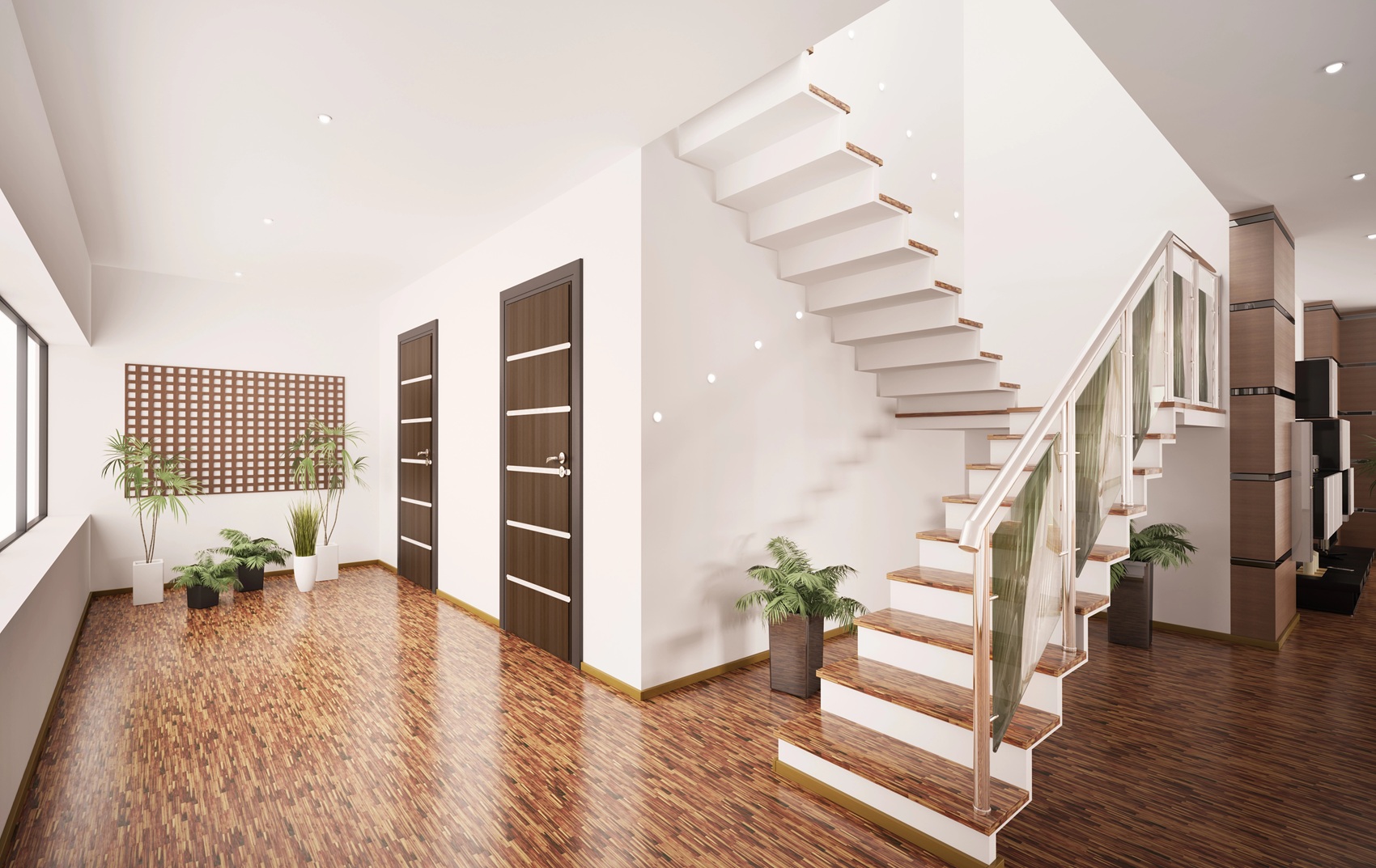
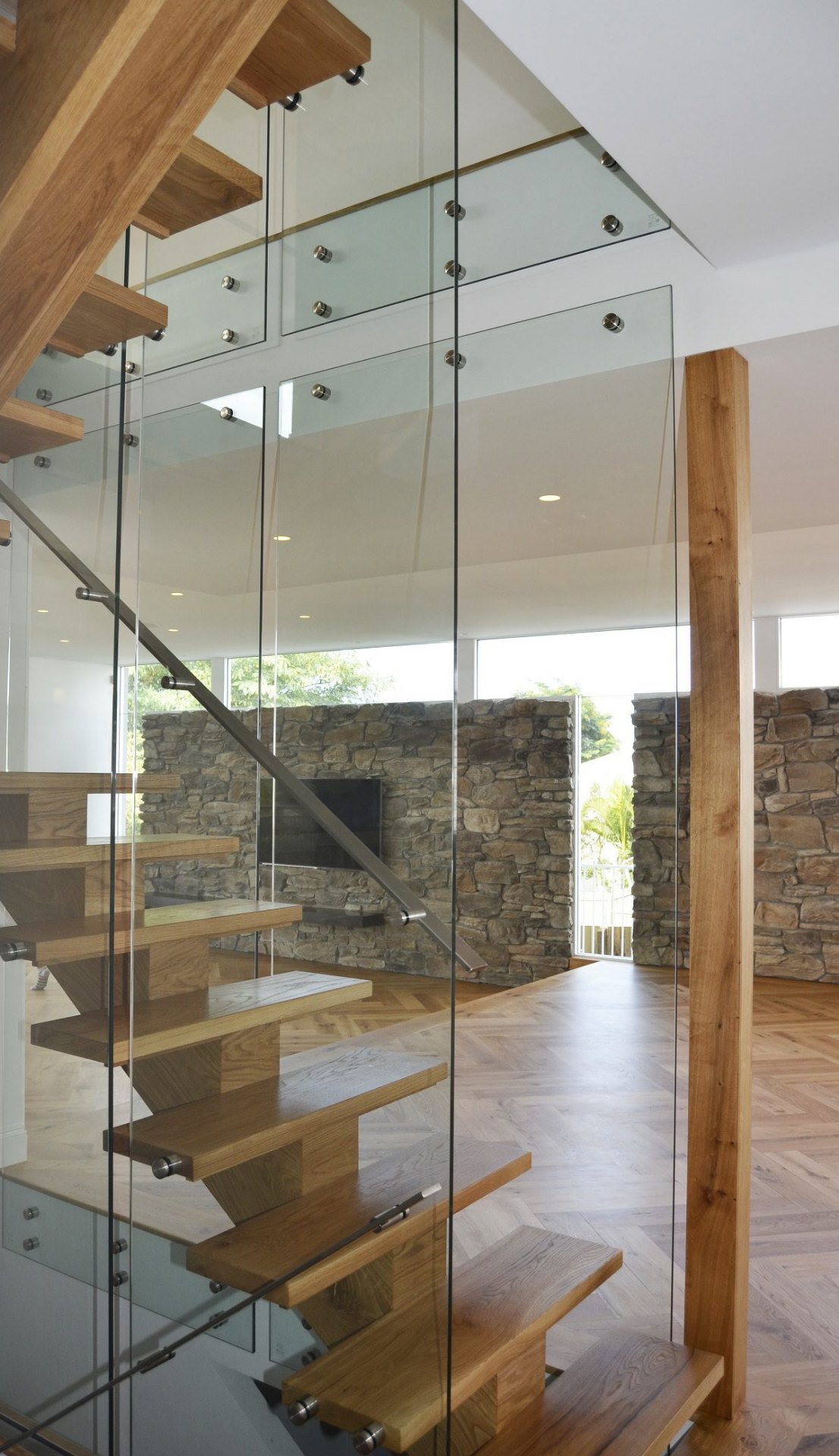
- Floating — Modern and minimalist
Select Materials
The material choice affects appearance, durability and cost:
- Australian hardwood — Spotted Gum, Blackbutt, Tasmanian Oak for natural warmth and longevity
- Steel and timber hybrid — Steel stringers with hardwood treads for a modern industrial look
- Painted softwood — Budget-friendly option perfect for Hampton and coastal styles
Balustrade Options
The balustrade is a major design element. Options include:
- Frameless glass for transparency and light
- Timber balusters in traditional or modern profiles
- Wire rope for a relaxed, coastal aesthetic
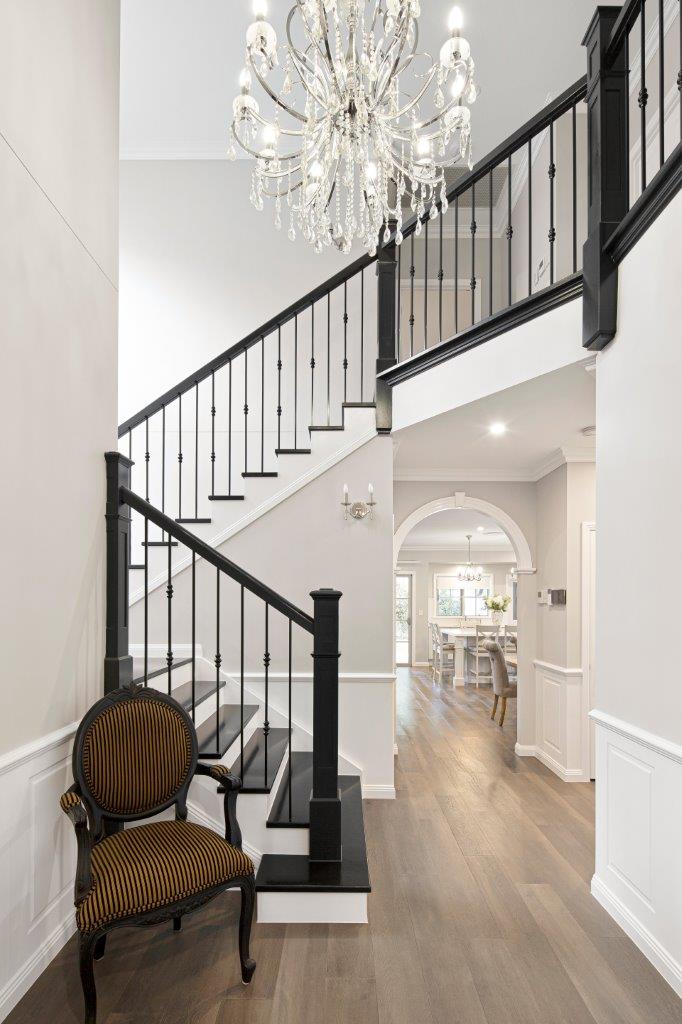
- Wrought iron for heritage and classic styles
Budget Planning
Staircase costs in Brisbane vary significantly based on design, materials and complexity. Our comprehensive cost guide provides detailed pricing ranges for every staircase type. Key cost factors include:
- Staircase type (straight is cheapest, curved is most expensive)
- Timber species (Pine is affordable, American Walnut is premium)
- Balustrade style (timber balusters are affordable, frameless glass is premium)
- Installation complexity (new builds are simpler than renovations)
Regulations & Approvals
All staircase construction in Queensland must comply with the QLD building regulations and the Building Code of Australia. New staircases typically require building approval. Learn more about planning permission.
Choosing a Builder
Select a QBCC licensed staircase builder with proven experience in your chosen design style. Look for builders who offer site consultations, in-house fabrication and professional installation.
Craftsman Stairs (QBCC Licence #69007) has over 35 years of experience building custom staircases across Brisbane, Moreton Bay and the Sunshine Coast. Contact us for a free consultation and quote.
Frequently Asked Questions
How do I start planning a new staircase?
Start by measuring your available space and floor-to-floor height, then research staircase types that suit your floor plan. A QBCC licensed builder can conduct a site visit, discuss your requirements, and provide design recommendations with a detailed quote.
How long does it take to build a custom staircase?
A custom staircase typically takes 4–8 weeks from design approval to installation. Simple straight flights are faster (3–4 weeks), while complex curved or floating designs may take 8–12 weeks due to additional engineering and fabrication time.
Should I choose my staircase before or after building?
Ideally, the staircase should be designed during the planning phase of your build or renovation. This ensures the floor opening, structural supports and ceiling heights are all optimised for your chosen staircase design.
Craftsman Stairs
QBCC licensed staircase builders with over 35 years of experience servicing North Brisbane, Moreton Bay and the Sunshine Coast. We design, manufacture and install custom staircases for residential and commercial projects.
Get a Free Quote