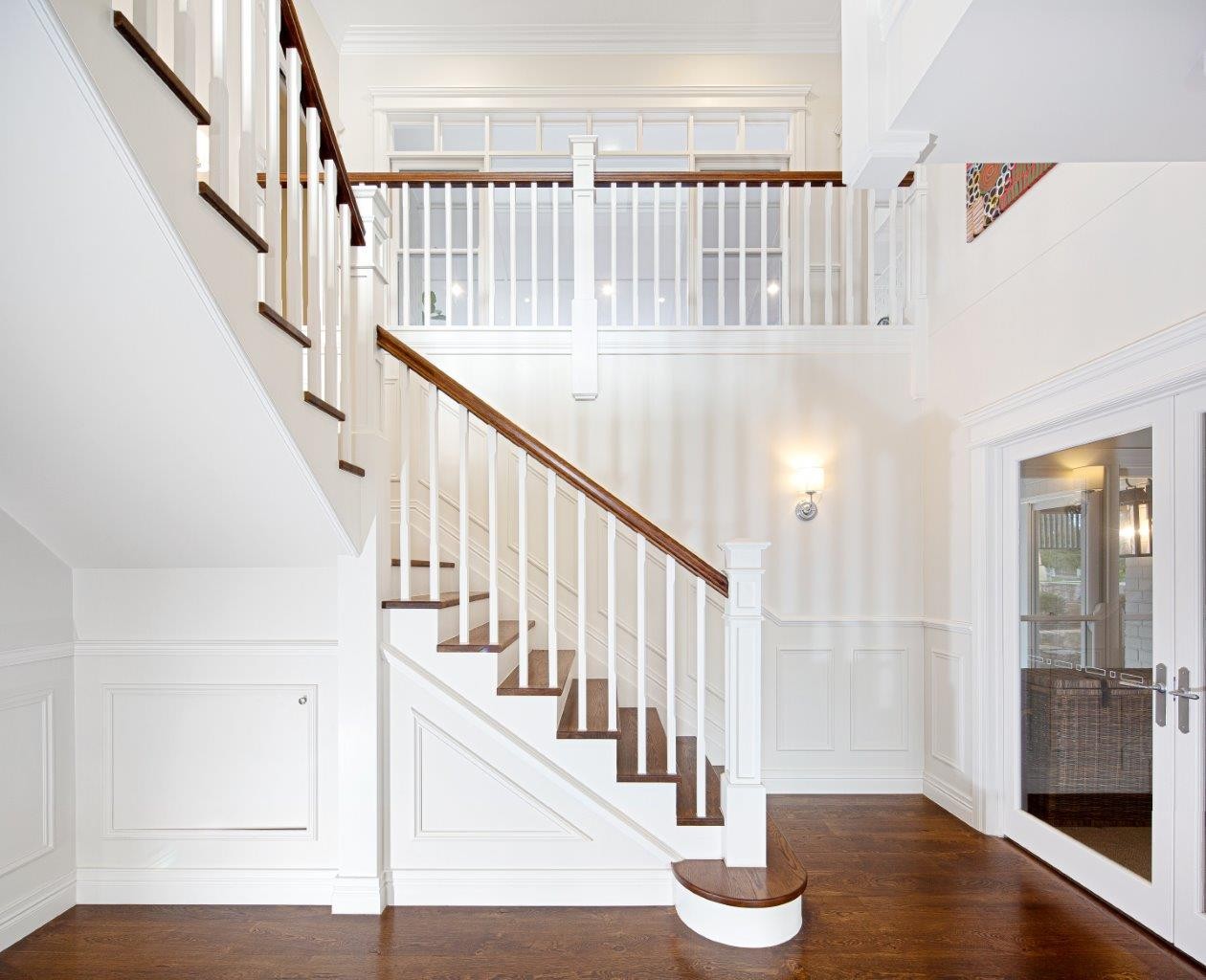
Designing and building house stairs is one of the most important decisions in any two-storey home project. Your staircase must be functional, safe, compliant with building codes and visually aligned with your home's style. Whether you're building new or renovating in Brisbane, Moreton Bay or the Sunshine Coast, this guide covers everything you need to know.
Understanding Staircase Design Basics
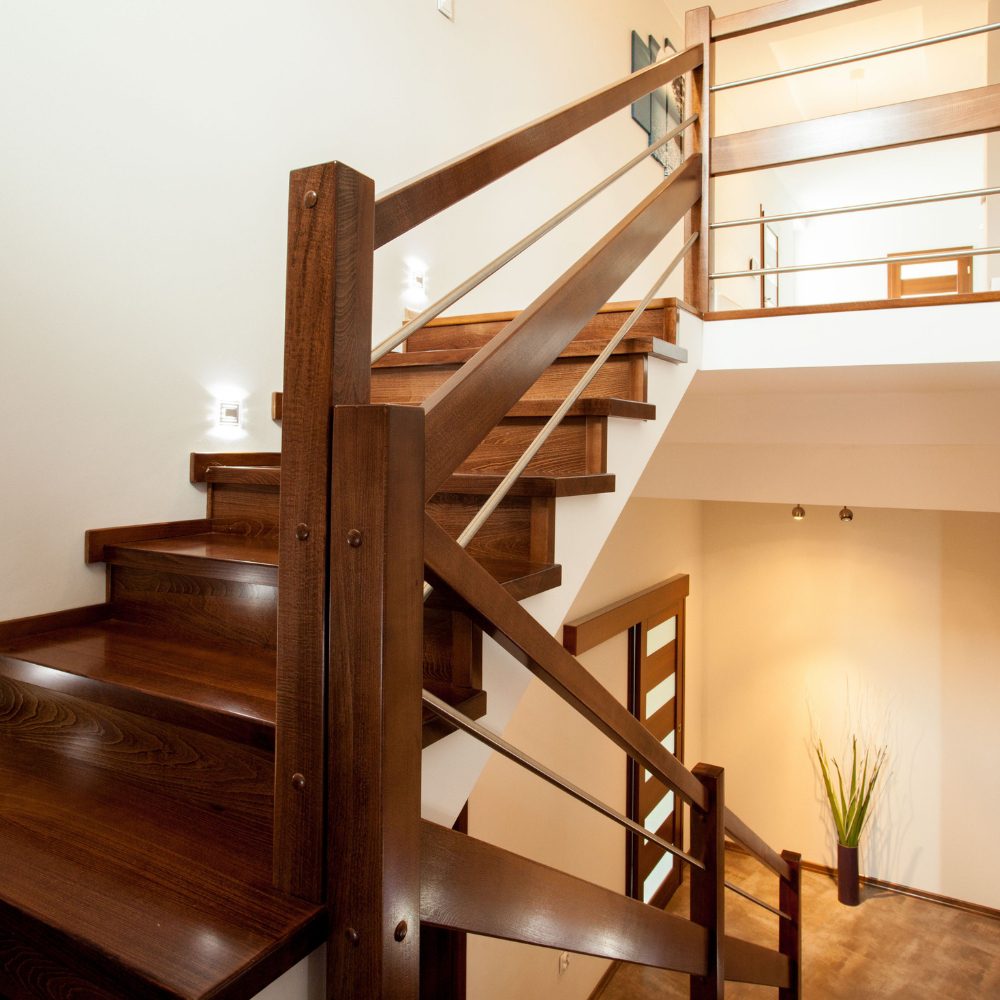
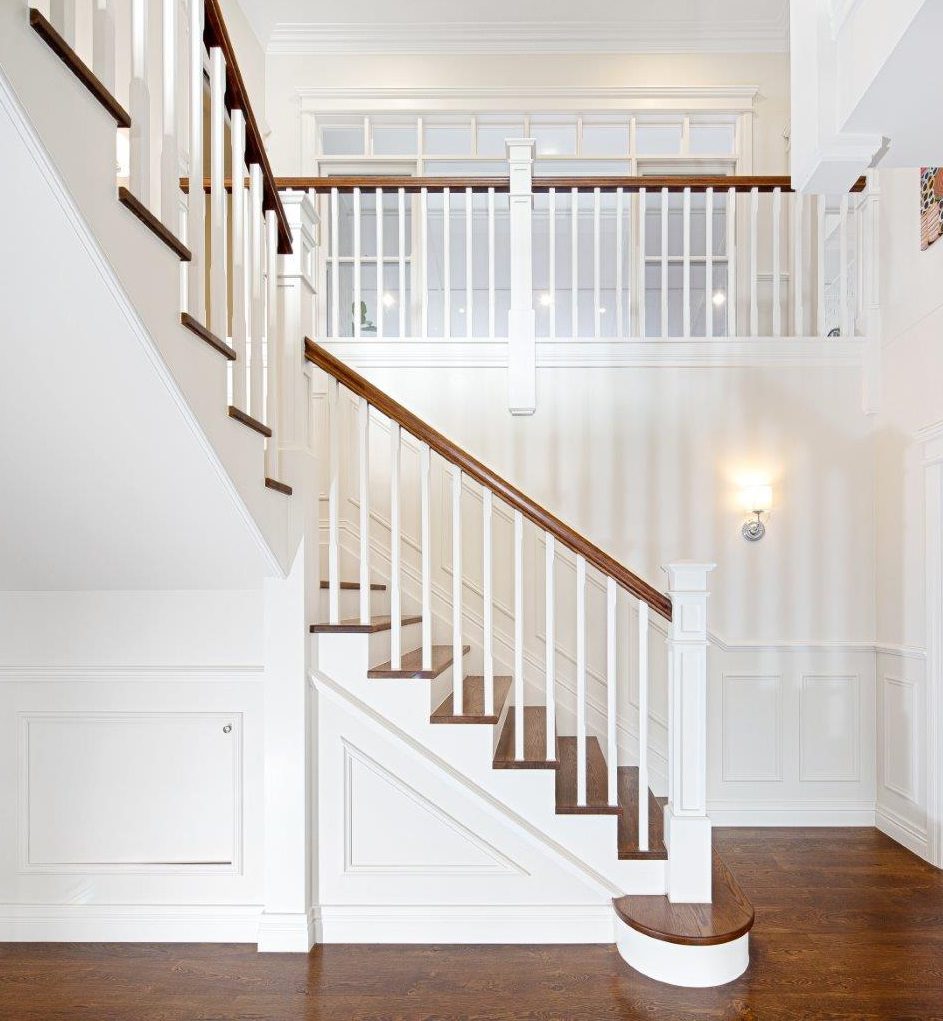
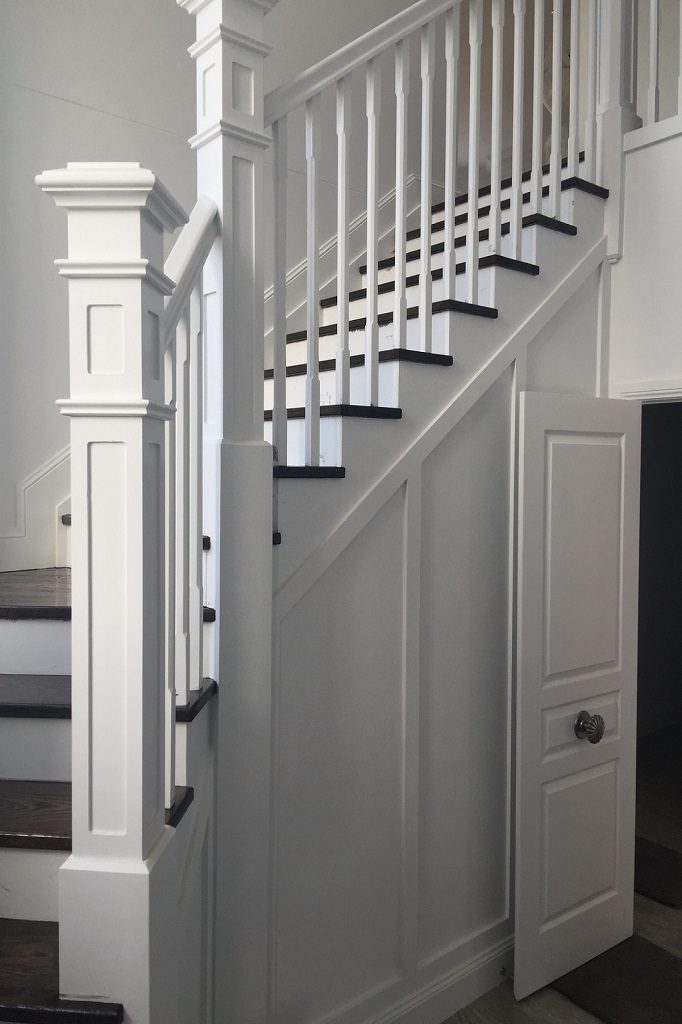
Every staircase consists of key components: stringers (the structural sides), treads (the horizontal surfaces you walk on), risers (the vertical panels between treads), and the balustrade system (posts, balusters and handrail). Understanding these elements helps you make informed decisions about materials, design and budget.
The Building Code of Australia mandates specific dimensions for residential staircases: riser height between 115mm and 190mm, minimum tread going of 240mm, and minimum width of 600mm (though 860mm–1,000mm is standard for comfort).
Types of House Stairs
The most common staircase types for Australian homes include:
- Straight flight: The simplest and most economical design — a single run from one floor to the next
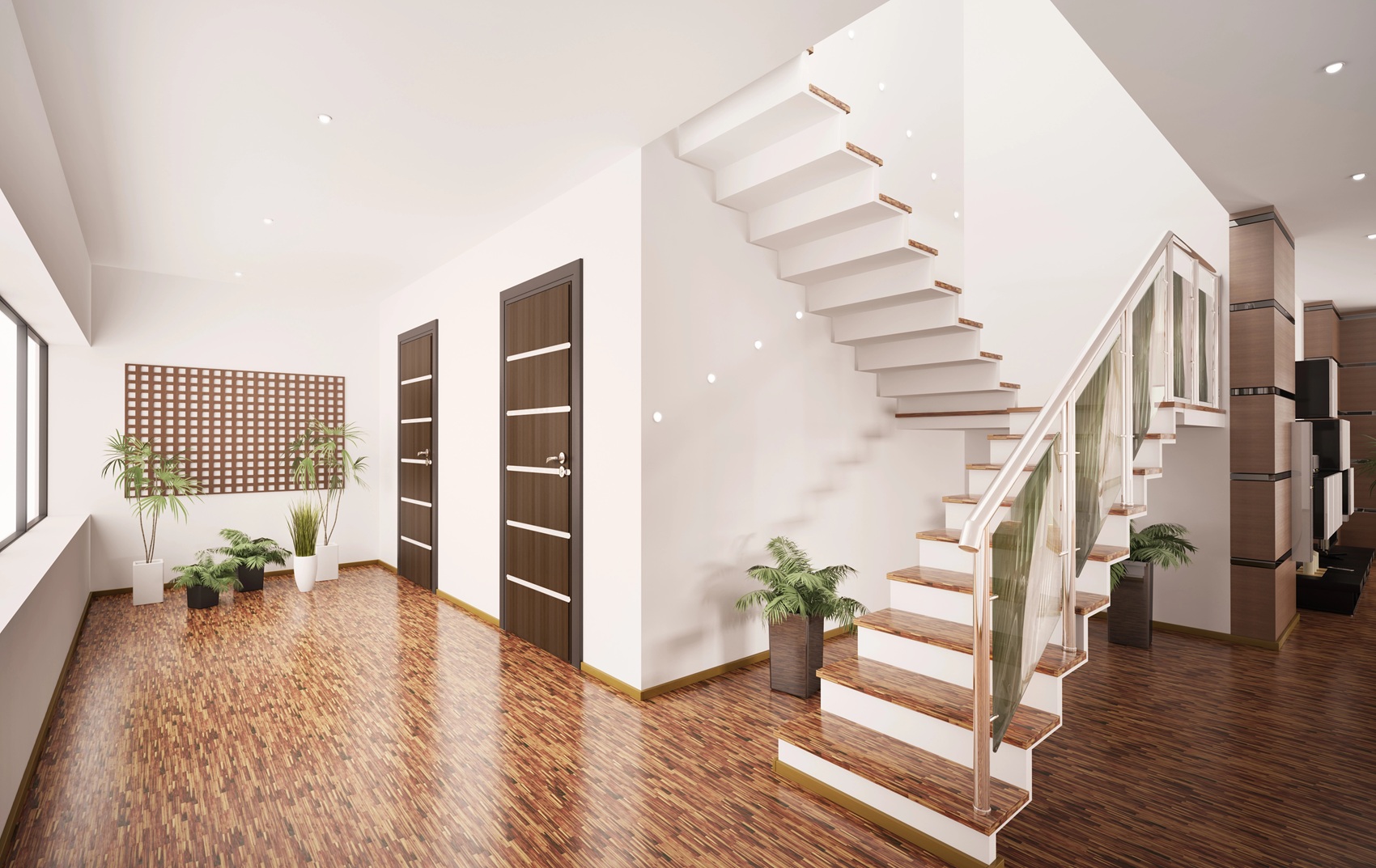
- Quarter-turn (L-shaped): A 90-degree turn with either a landing or winder treads
- Half-turn (U-shaped): A 180-degree turn with a full landing, compact in floor footprint
- Winder staircases: Use tapered treads to navigate turns without a full landing platform
- Curved staircases: Sweeping, elegant designs that serve as architectural centrepieces
- Floating staircases: Cantilevered treads with no visible support structure
Materials for House Stairs in Queensland
The choice of materials influences the appearance, durability, maintenance and cost of your house stairs:
- Hardwood timber: Spotted Gum, Blackbutt, Tasmanian Oak and Jarrah are the most popular species for internal treads
- Treated pine: A cost-effective option for stringers and concealed components
- Steel: Used for stringers in modern designs, particularly mono-stringer and floating staircases
- Glass: Used in balustrade panels for a light, contemporary look
Key Design Considerations
When planning your house stairs, consider:
- Traffic flow: Where you place the staircase affects the layout of both levels
- Natural light: Staircases near windows or skylights can feature glass balustrades to maximise light
- Under-stair space: Closed-riser designs create storage opportunities; open-riser designs maximise visual openness
- Safety: Consider staircase lighting, slip resistance and handrail requirements
Benefits of Custom-Built House Stairs
A custom-built staircase is designed specifically for your home's dimensions, style and requirements. Unlike pre-fabricated solutions, custom staircases:
- Fit perfectly to your exact floor-to-floor height and available space
- Use premium materials selected for your climate and aesthetic
- Are fully compliant with BCA and QLD building regulations
- Add significant value to your property
The House Stairs Building Process
At Craftsman Stairs, we follow a proven process:
- Free on-site consultation and measurement
- Design presentation and transparent quoting
- Workshop fabrication using precision machinery
- Professional on-site installation
- Final inspection and handover
Servicing North Brisbane, Moreton Bay and the Sunshine Coast. Contact us today for a free quote.
Frequently Asked Questions
How do I know which staircase type suits my home?
The best staircase type depends on your available floor space, ceiling height, traffic patterns and desired aesthetic. A straight flight needs the most floor run, while L-shaped and U-shaped designs fit into tighter spaces. A QBCC licensed builder can assess your home and recommend the best option.
What is the standard floor-to-floor height for house stairs?
In Australian homes, the typical floor-to-floor height is 2,700mm for standard ceilings and up to 3,100mm for higher ceilings. The number of risers and tread dimensions are calculated based on this height to meet BCA requirements.
Can house stairs be relocated during a renovation?
Yes, house stairs can be relocated, but it requires structural modifications to floor framing and may need engineering assessment. Your builder will advise on feasibility, cost and any planning approvals required.
Craftsman Stairs
QBCC licensed staircase builders with over 35 years of experience servicing North Brisbane, Moreton Bay and the Sunshine Coast. We design, manufacture and install custom staircases for residential and commercial projects.
Get a Free Quote